Water Damage Restoration Bixby, OK
Flood water off the Arkansas River, a split pipe after a freeze or a failed water heater: Bixby water damage pros extract the water and dry the house to the IICRC S500 standard, 24/7.
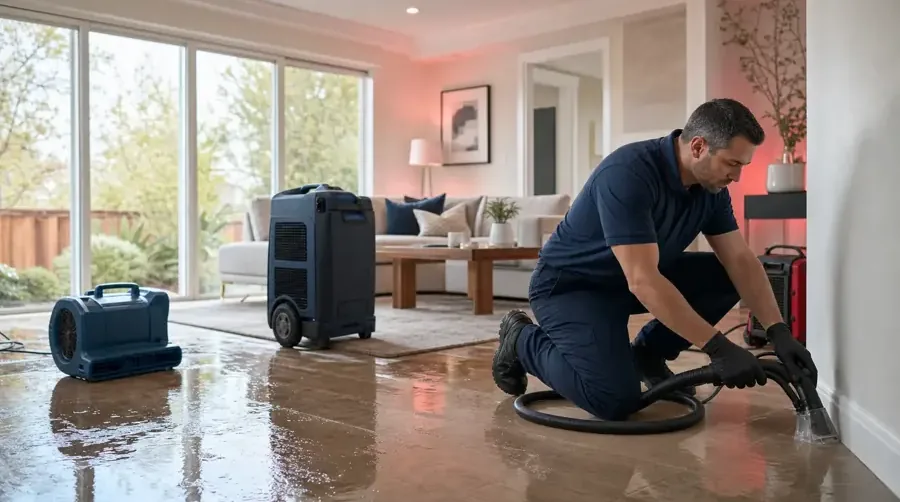
Water Damage Restoration Services in Bixby, OK
Water and sewage only, from emergency extraction to structural drying, on both banks of the Arkansas River and in the towns around it.
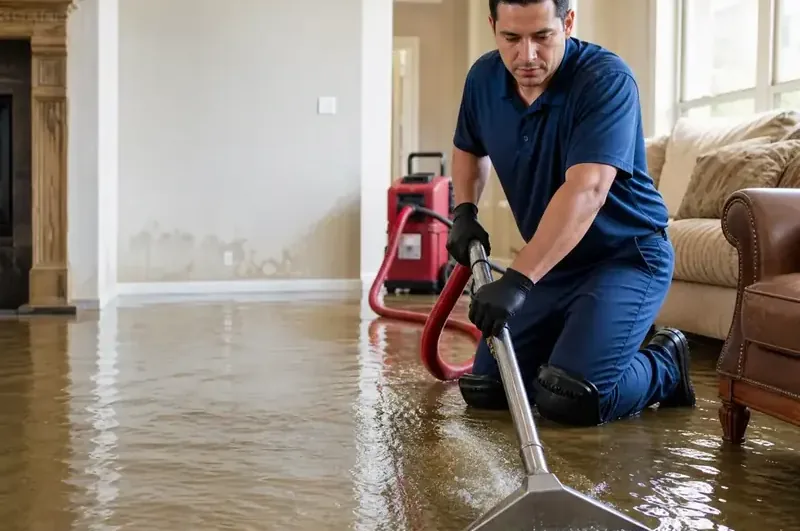
Water Extraction and Removal
Truck-mounted pumps clear standing water fast, before it wicks into pad, drywall and framing.
Service details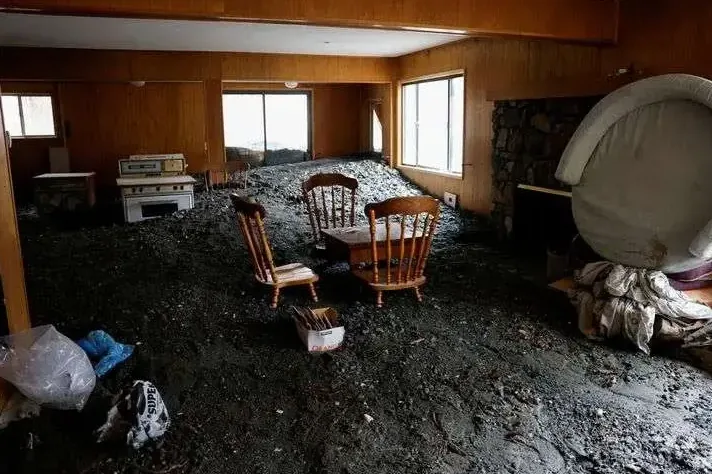
River and Creek Flood Cleanup
River and creek water handled as Category 3: muck-out, flood cuts, antimicrobial and drying.
Service details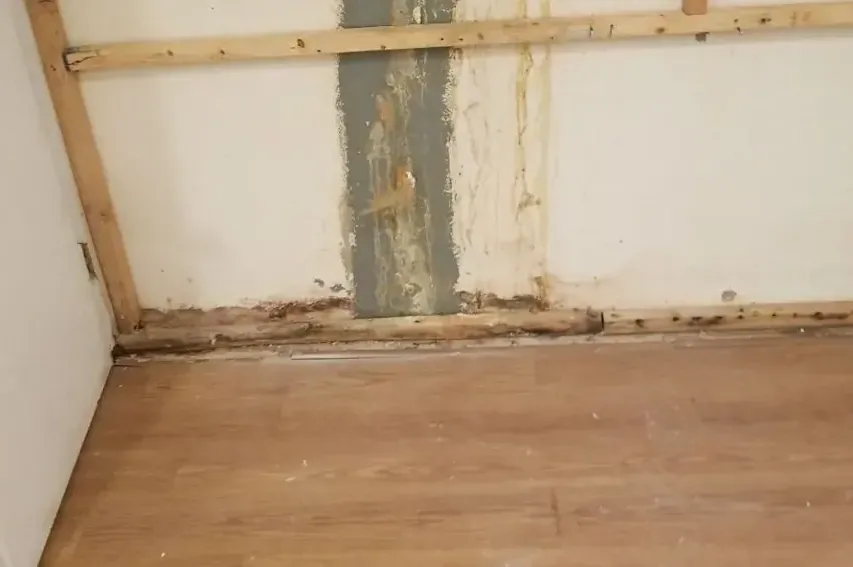
Burst Pipe Water Damage
Shut the main, pull the water and dry the wall cavities a split supply pipe soaked.
Service details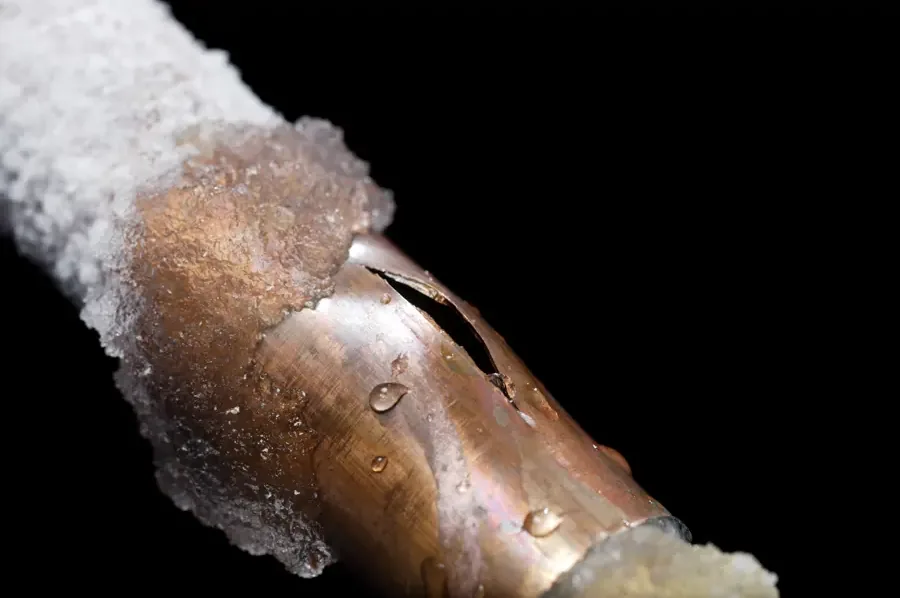
Frozen Pipe Water Damage
Pipes that split in a hard freeze, traced after the thaw and dried before the damage spreads.
Service details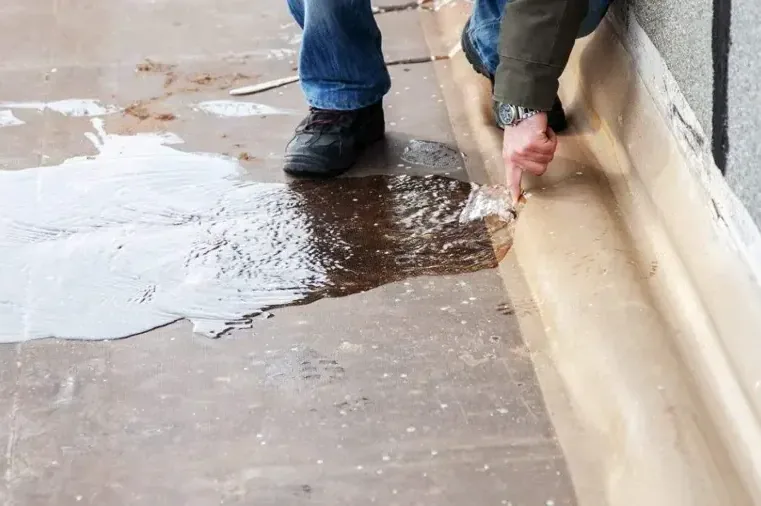
Slab Leak Water Damage
Leaks under the concrete floor located with a plumber, flooring lifted and the slab dried.
Service details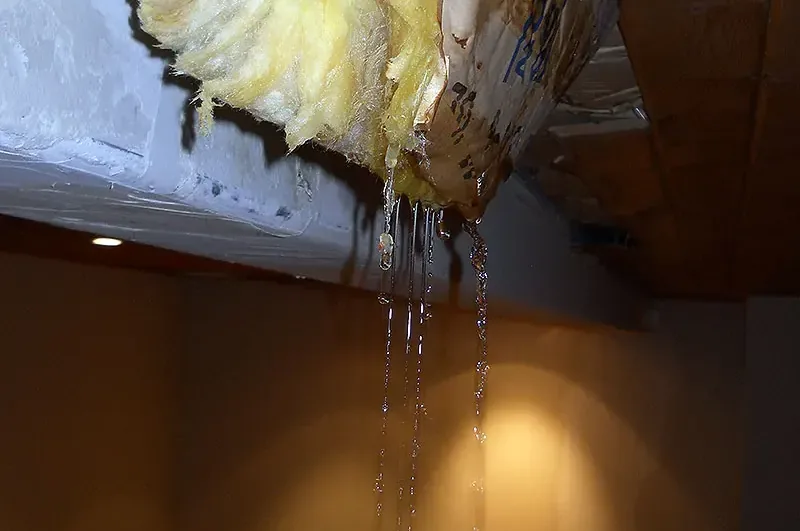
Roof Leak Water Damage
Storm water through shingles and flashing, wet attic insulation pulled and ceilings dried.
Service details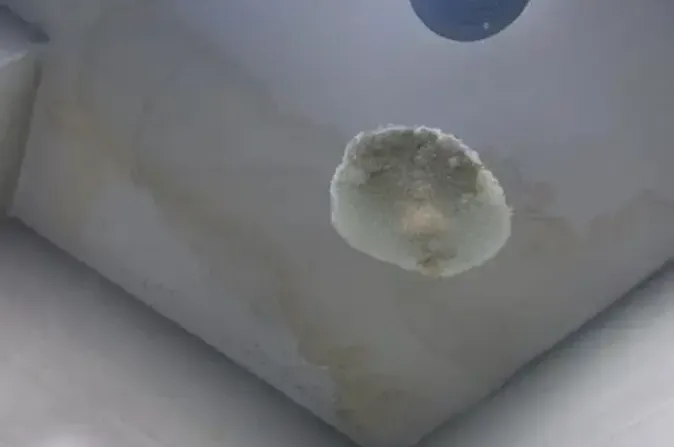
Ceiling Leak Water Damage
Leaks from an upstairs bath or supply pipe traced, sagging drywall opened and joists dried.
Service details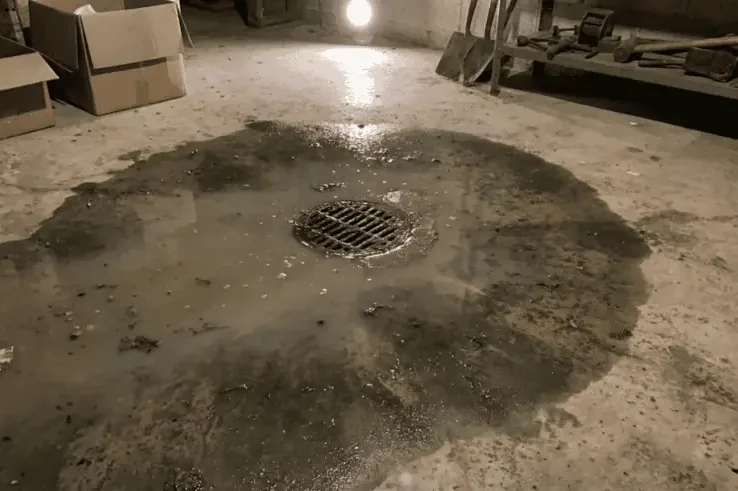
Sewage Backup Cleanup
Toilet and floor drain backups treated as Category 3, with PPE, removal and antimicrobial.
Service details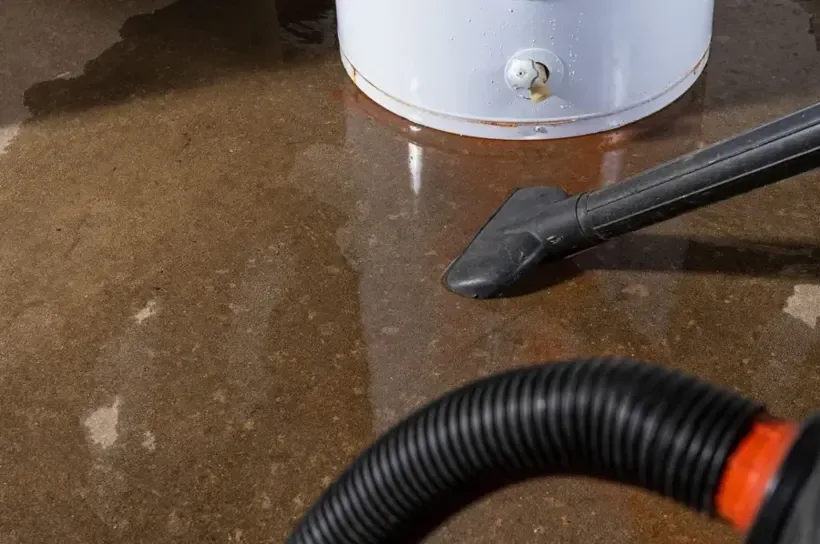
Water Heater Leak Cleanup
A failed tank in the garage or closet extracted before boxes, drywall and cabinets soak.
Service details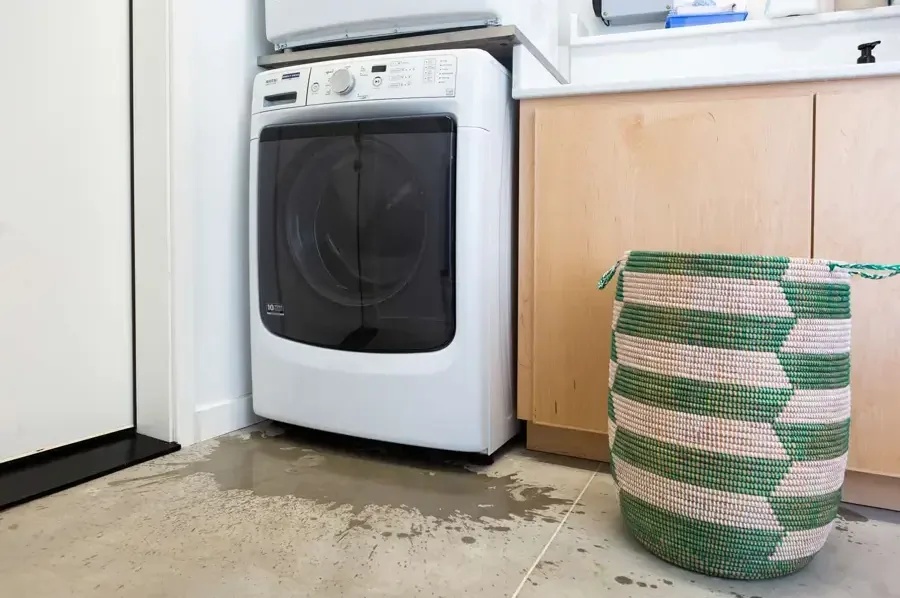
Appliance and Supply Hose Leaks
Washer hoses, dishwasher and ice maker leaks pulled from floors and dried under cabinets.
Service details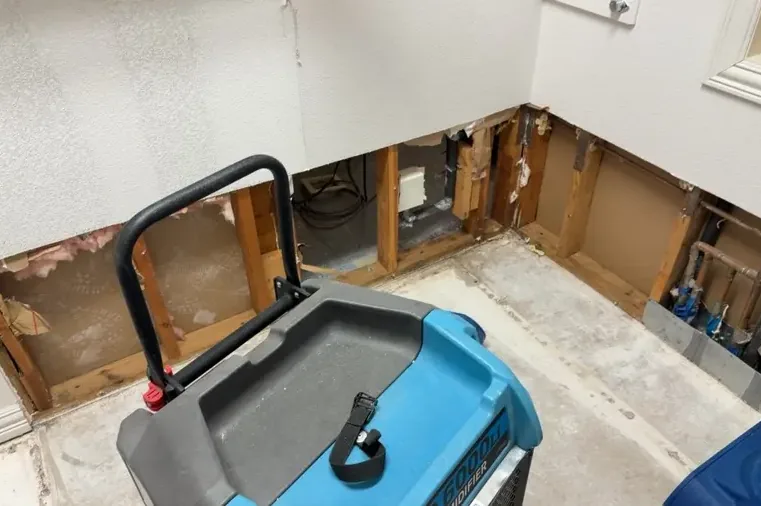
Structural Drying and Dehumidification
Air movers and LGR dehumidifiers run until readings sit within 2 to 4 points of dry.
Service details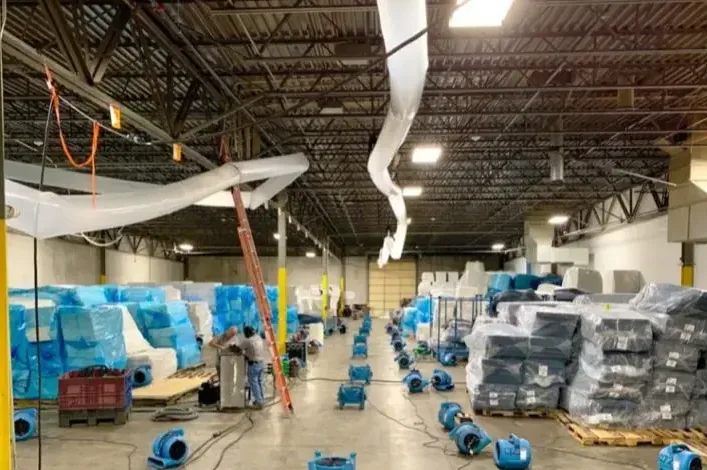
Commercial Water Damage
Shops, offices and industrial park buildings dried in phases so the doors stay open.
Service detailsWhy careful drying matters in Bixby, on both sides of the river
Four things decide whether a wet house dries right the first time: speed, a drying standard, a paper trail and knowing how water moves here.
Rapid local response
Dispatch runs 24/7 and active water is treated as urgent at any hour, so extraction starts before water wicks deeper into drywall and pad.
IICRC S500 drying standard
The drying team sizes air movers and LGR dehumidifiers to the class of loss and leaves them until moisture readings say dry, not until surfaces feel dry.
Claim-ready documentation
Moisture maps, daily psychrometric logs and timestamped photos taken before any demolition give the adjuster a clear record of the loss.
Bixby water experts
River flood plain on the south bank, creek flooding in Southtown, winter freezes and storm-driven rain all shape how water gets into local homes.
The gear a real dry-out runs on
- Truck-mounted extraction units that pull standing water faster than portable pumps
- Low-grain refrigerant (LGR) dehumidifiers that keep drying going in humid air
- Air movers set to the room's evaporation load, not a fixed count
- Thermal imaging and pinless moisture meters that find water behind walls
- Containment and HEPA air scrubbers on Category 3 flood and sewage losses
- Desiccant dehumidifiers for concrete, brick and other dense Class 4 materials
Water spreads fast, so the first call matters
Once a pipe splits or flood water crosses the threshold, it starts wicking up drywall, running under flooring and soaking into the slab. The water you can mop is the least of it; the damage that costs the most is the water nobody can see.
The response team brings truck-mounted extraction and drying equipment, finds the full reach of the water with moisture meters, dries to a verified standard and documents the loss for the insurer, so one bad night does not turn into a long rebuild.

How a water loss is handled in Bixby
Four steps, from the first call to a house that reads dry.
Call and dispatch
The call reaches 24/7 dispatch, and the response team asks where the water came from so the right extraction and drying gear goes out.
Inspect and map
The tech who does the walkthrough maps moisture with meters and thermal imaging, then sets the category and class of the loss before equipment goes down.
Extract and dry
The extraction crew pulls standing water, removes what cannot be saved and sets air movers and LGR dehumidifiers sized to each room's load.
Verify and document
Daily readings track progress to the S500 goal, and the moisture map, logs and photos go into the claim file once materials read dry.
What does water damage restoration cost in Bixby, OK?
Water damage restoration here typically runs $1,200 to $9,000 or more, depending on the water category, how far the water spread, the materials affected and how fast drying started. A clean-water leak caught early sits at the low end; river flood water and sewage run higher.
Contained loss
- One or two rooms
- Clean water caught early
- Extraction and drying
Moderate loss
- Several rooms or a floor
- Flood cuts and cavity drying
- Daily moisture readings
Major loss
- Flood or sewage water
- Material removal and drying
- Full claim documentation
Ranges are typical, not a quote. Flood water from outside is Category 3 from the start, which adds removal and cleaning, and drying that starts on the first day keeps the bill lowest.
What a water damage dry-out looks like in Bixby
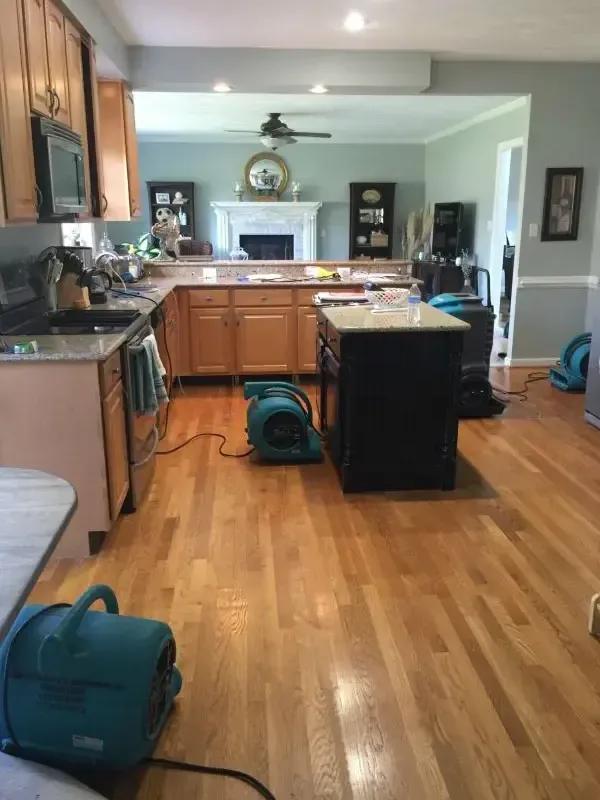
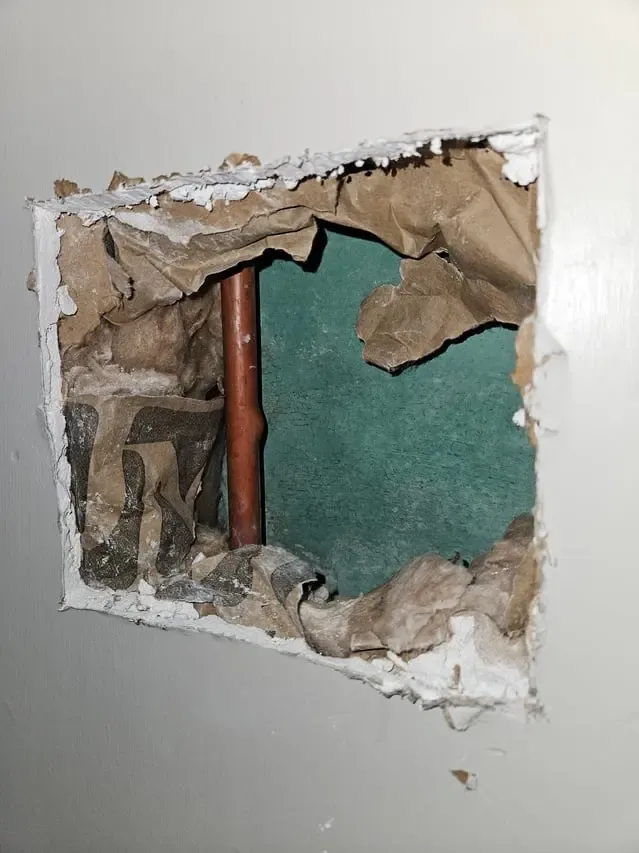
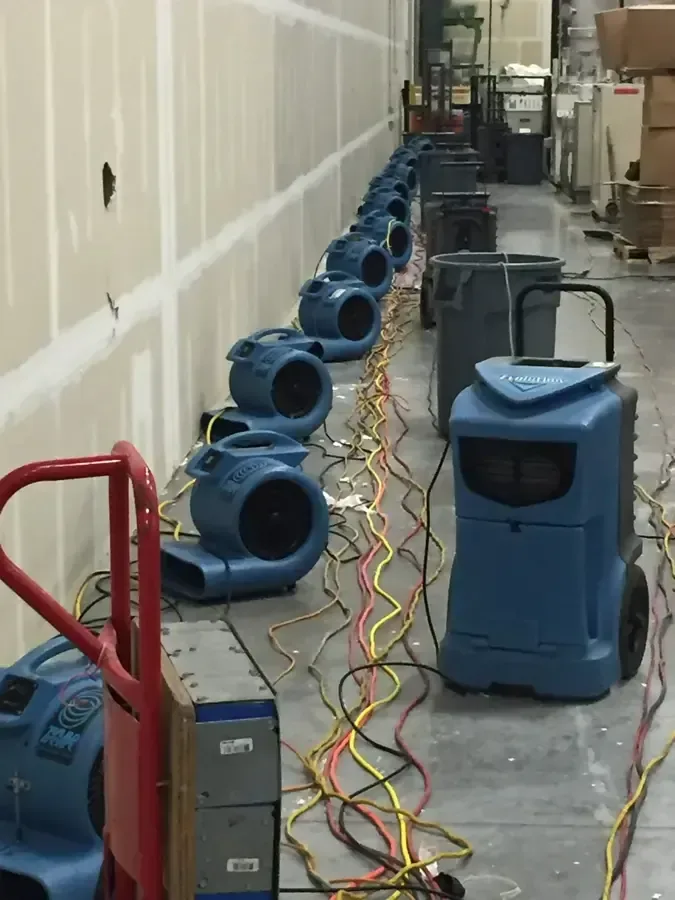
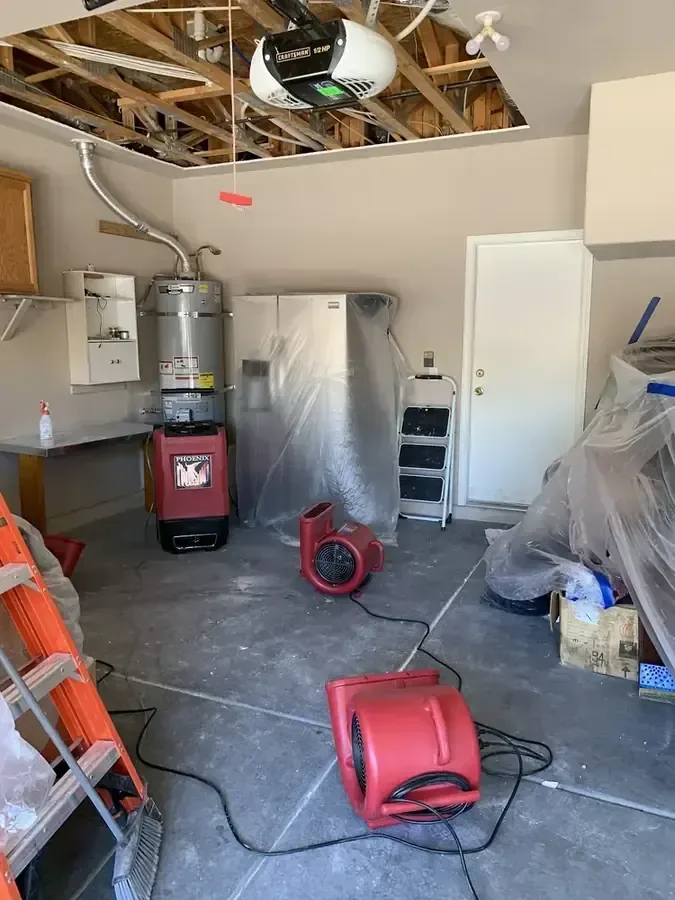
Water damage dried to the IICRC S500 standard
IICRC S500 is the industry drying standard: structural drying, not just surface drying, with equipment left in place until the readings say dry.
Documentation for your insurance claim
The mitigation team builds the paper trail an adjuster looks for, from the first walkthrough to the last reading.
- A moisture map of every wet room
- Daily psychrometric drying logs
- Timestamped photos taken before any demolition
- The category and class of the loss
- An itemized scope of the work
Sudden and accidental water, such as a burst pipe, is often treated differently from flood water that comes in from outside, which most homeowners policies exclude. Coverage depends on your policy, so it is worth checking with your own insurer.
What to do while the water is still moving
- Stop the source. Shut off the main water valve if a pipe, water heater or appliance is leaking.
- Stay clear of power. Keep out of standing water near outlets, cords or the panel, and treat flood water from outside as Category 3.
- Move what you can. Lift rugs, papers and electronics off wet floors and set foil under furniture legs.
- Take photos. Photograph every wet room and damaged item before anything is moved or thrown out.
- Call for extraction. Call 24/7 dispatch so extraction starts before water wicks into drywall and pad.
From Original Town to Lake Bixhoma, both banks covered
The restoration team covers every neighborhood in ZIP 74008 and the towns around it, day or night.
ZIP code covered
Nearby towns
Street not listed? Call anyway. Anywhere in ZIP 74008 or the towns nearby, a restoration crew can be dispatched at any hour.
South bank and downtown
Southtown and 171st Street
Memorial and Mingo
Lake Bixhoma and beyond
One call reaches Bixby water damage pros, 24/7
From the south bank to the subdivisions off 129th Street, one call reaches a restoration team that gets a crew moving, day or night, holidays and ice storms included.
(888) 619-9509Talk to river city dispatch Find us on GoogleThe water Bixby homes actually see
The Arkansas River splits the city into north and south halves, and most water losses here start in one of four places.
River flood plain
In May 2019 the city recommended evacuations for flood plain neighborhoods, mostly south of the river, with shallow flooding expected in Johns Park and Riverview Terrace.
Creek flooding in Southtown
Southtown flooded in 2008, 2015 and May 2022, when damage reached about $2 million and residents pointed to debris in Little Snake Creek.
Saturated ground
When the soil is already soaked from earlier rain, as it was in May 2019, new rain runs off into garages and ground-level rooms instead of soaking in.
Winter freezes
Pipes along exterior walls, in attics and in crawl spaces can split in a hard freeze, and the leak shows up once the ice thaws.
All water damage categories covered in Bixby, OK
Clean, gray or black, every category of water loss is handled to the IICRC S500 standard.
Category 1: clean water
Supply pipes, water heaters and ice maker hoses. Caught early, most of it dries in place.
See burst pipe water damageCategory 2: gray water
Washer and dishwasher discharge or a toilet overflow with no waste. Pad and porous items usually come out.
See appliance leak cleanupCategory 3: black water
Sewage backups and flood water off the river or a creek. Porous materials it touched are removed, not dried.
See sewage backup cleanupBixby water damage questions, answered
Water in the house right now?
Skip the reading for now. Dispatch runs 24/7 on both sides of the river.
(888) 619-9509 Get a crew headed overHow fast can someone get to the house?
Dispatch runs 24/7, and active water is treated as urgent at any hour. Arrival depends on the time of day and how many calls come in during a storm, so call as soon as water appears instead of waiting to see whether it spreads.
Does homeowners insurance cover flood water from the Arkansas River?
Most homeowners policies exclude flood water that comes in from outside; that takes a separate flood policy. Sudden and accidental water, such as a burst pipe, is often covered. Coverage depends on your policy, so check with your own insurer.
How do I know whether the house sits in a flood plain?
FEMA flood maps show the mapped flood zones, and in 2019 the city pointed residents to msc.fema.gov to check an address. FEMA is also working on map changes for Tulsa County, so a zone can change after an update.
What is the IICRC S500?
It is the industry standard for water damage restoration. It sets how water is categorized, how drying equipment is sized and when materials count as dry: within 2 to 4 points of a dry reference material in the same house.
How long does drying take?
A contained Class 1 loss usually dries in three to five days. Flood water, hardwood, brick and concrete take longer. Equipment stays until the readings say dry, and the drying time estimator gives a typical window.
When does drywall have to come out?
Drywall soaked by clean water can often be dried in place if extraction starts early. Drywall touched by flood water or sewage is cut out above the high-water mark, because Category 3 water soaks porous materials beyond cleaning.
Why is sewage handled differently from a pipe leak?
Sewage is Category 3 from the start. The crew wears PPE, sets up containment, removes porous materials the water touched and treats surfaces with an EPA-registered antimicrobial at its full dwell time before drying.
What should I do while waiting for the crew?
Shut off the main valve if a pipe is leaking, stay clear of outlets near standing water, move valuables off wet floors and photograph every room before anything is moved or thrown out.
How is the cost of a water loss figured?
Cost follows the water category, the square footage, the class of materials and how fast drying started. The water damage cost calculator shows a typical range before anyone walks the house.
Why does the first day matter so much?
Mold can start growing on wet materials within 24 to 48 hours, and clean water left sitting can degrade to a dirtier category. Fast extraction and drying keep the loss smaller and the bill lower.
Water in a Bixby house? Call now.
Every hour the water sits, the damage spreads. One call gets extraction and drying started on either bank of the river, day or night.
(888) 619-9509Start the dry-out on either bank